
How CNC Machining Supports Complex Medical Components


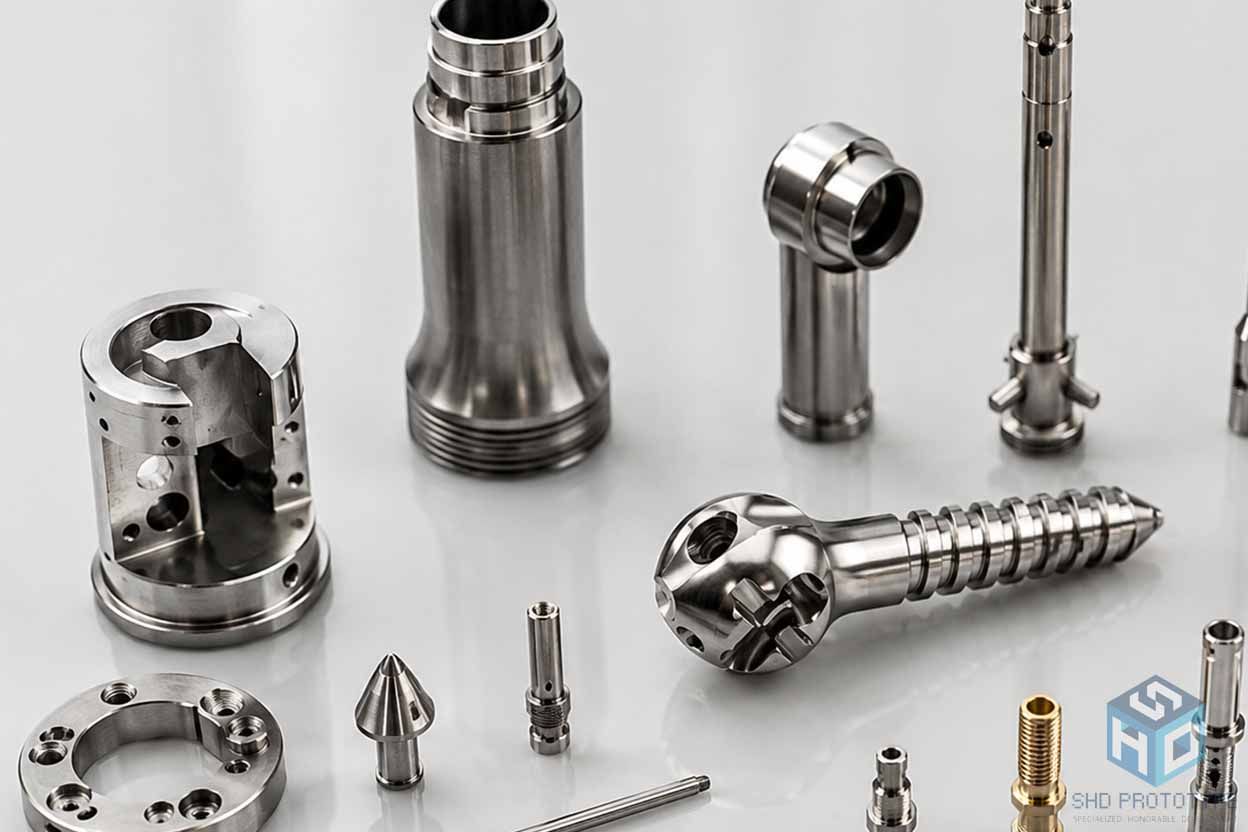
Complex medical components often require more than complicated geometry. Their manufacturing may involve tight dimensional relationships, small holes, thin walls, precise mating surfaces, and features that must remain consistent during assembly. CNC machining provides a practical way to produce these parts because cutting paths, tooling, fixtures, and inspection points can be planned around the functional requirements of each design.
For medical device developers and equipment manufacturers, the main challenge is not simply making a part look accurate. The machining process must also consider how material removal, clamping, tool access, surface condition, and secondary operations can influence the finished component.
How CNC Machining Helps Produce Complex Medical Components
CNC machining is well suited to parts containing multiple features that need to work together accurately. A single component may include bores, threaded holes, slots, sealing surfaces, mounting points, and contoured areas that connect with other parts of a medical device. The process allows these features to be created according to defined datums and machining sequences. When several dimensions depend on one another, maintaining a clear reference system can reduce alignment errors between setups. This is particularly important for complex medical components where a small dimensional change in one area may affect assembly somewhere else.
Thin Walls and Small Features Require Process Control
Medical device components can contain thin sections, narrow grooves, small holes, or delicate structural features. These areas may be difficult to machine because cutting forces and clamping pressure can cause vibration or deformation. Tool diameter, cutting depth, machining direction, and fixture support therefore need to match the geometry of the part.
Instead of removing all excess material in one operation, some components may benefit from separate roughing and finishing stages. Leaving machining allowance before the final cut can provide greater control over critical dimensions after most of the material has already been removed.
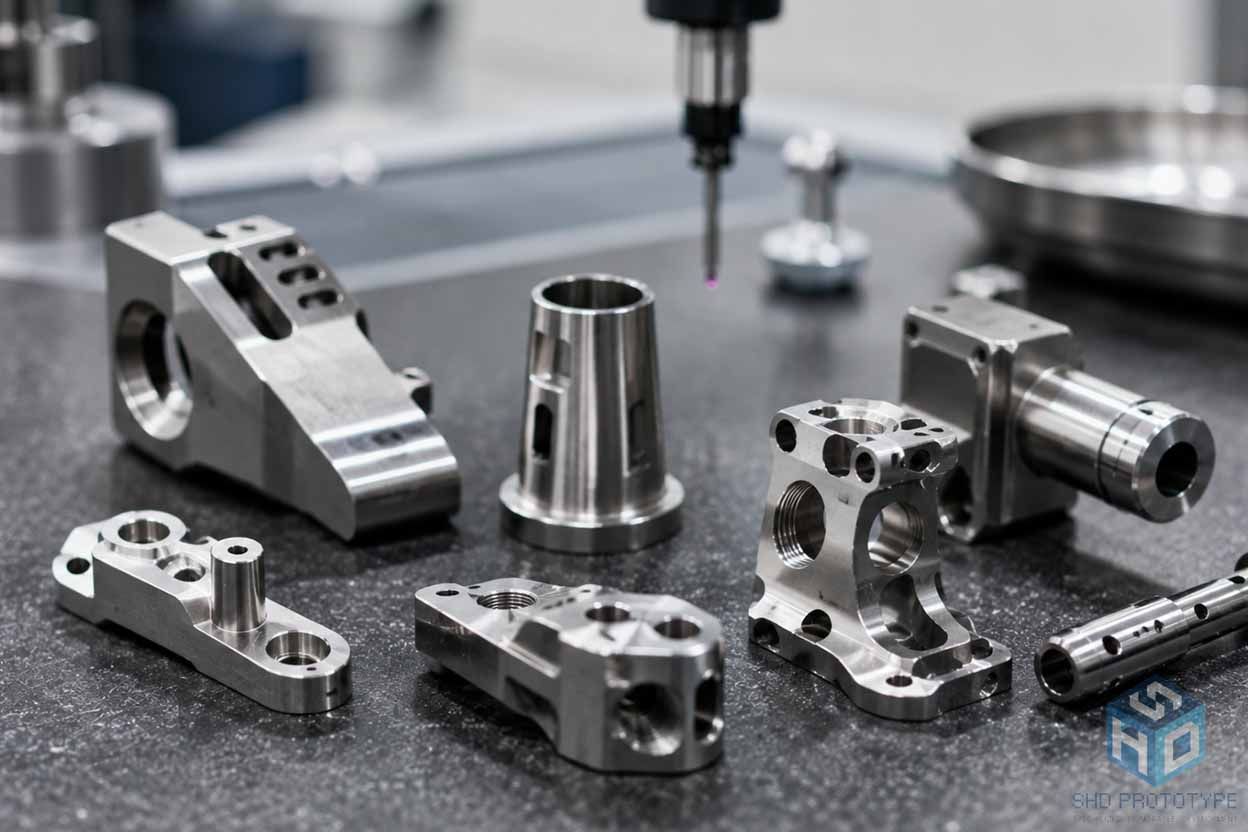
These considerations are also relevant to precision forming processing, where the goal is not only to create the required shape but to maintain dimensional relationships throughout the manufacturing sequence.
Surface Quality Matters for Functional Areas
Different areas of a medical component may require different surface conditions. A visible housing surface does not necessarily need the same machining strategy as a precision bore, sliding feature, sealing face, or mating surface.
Tool wear, cutting parameters, tool-path direction, and burr formation can all influence the finished surface. For this reason, medical CNC machining should focus machining and inspection effort on the areas that directly affect part function. Applying the same surface or tolerance requirement to every feature may add unnecessary production complexity without improving the device.
Prototype Machining Supports Design Evaluation
CNC machining is also useful during medical device development because parts can be produced directly from digital models without waiting for dedicated production tooling. Prototype components allow engineering teams to evaluate dimensions, assembly relationships, tool accessibility, and potential design changes before moving toward larger production quantities.
If a pocket is too deep for stable machining, a corner radius is too small for practical tooling, or a thin wall is likely to deform, these issues can often be identified during prototype development.
This feedback helps improve both the product design and the manufacturing plan.
Material and Post-Processing Should Be Planned Together
The selected material influences cutting behavior, tool wear, heat generation, and achievable surface condition. Different metals and engineering plastics may therefore require different machining approaches.
Post-processing should also be considered before the machining plan is finalized. If a component requires additional finishing, coating, heat treatment, cleaning, or assembly operations, critical dimensions may need to be defined according to the condition in which the part will finally be used.
Clear drawings should identify important tolerances, datum structures, functional surfaces, and any downstream requirements before production begins.
Conclusion
Producing complex medical components through CNC machining requires coordination between design, material behavior, tooling, fixtures, machining sequence, and inspection. The most effective approach is not simply to apply tight tolerances everywhere. Manufacturing control should focus on the features that influence assembly, movement, sealing, alignment, or other functional requirements.
Early manufacturability review can help identify difficult tool access, unstable thin walls, unnecessary tolerance demands, and secondary processing considerations before they create problems later in the project.
Medical Component Development with SHD PROTOTYPE
SHD PROTOTYPE supports custom prototype and precision machining projects based on customer drawings, three-dimensional models, material requirements, critical dimensions, and functional surfaces.
For complex medical component development, early review of machining access, fixture strategy, tolerance relationships, and finishing requirements can help create a more practical production route. This approach allows design and manufacturing considerations to be addressed together as a project moves from prototype evaluation toward repeatable component production.