
When Do Parts Need Reamed Holes in CNC Machining?


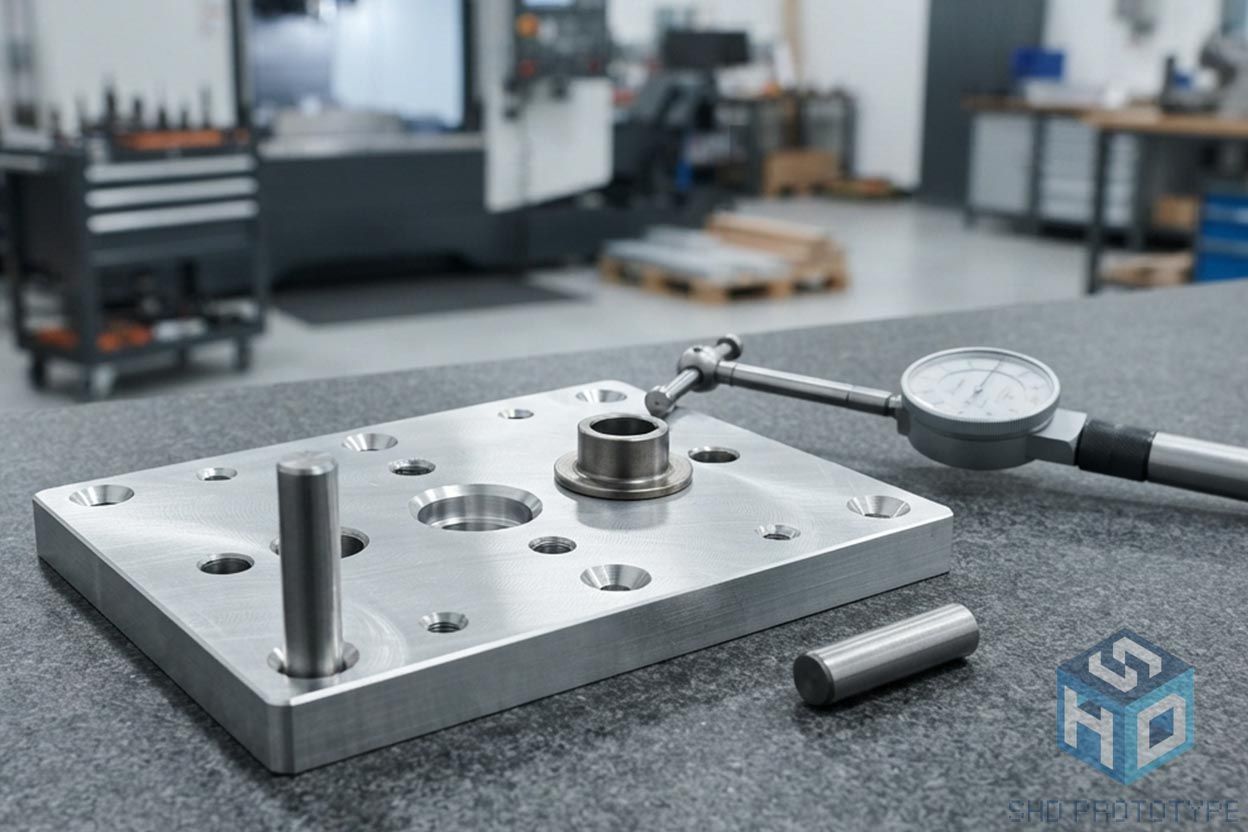
A machined aluminum plate may contain several holes that look almost identical. One allows a mounting bolt to pass through, another holds a locating pin, and a third supports a precision-fitting component. Although their shapes are similar, their dimensional requirements can be very different. This is why reamed holes in CNC machining deserve careful consideration. Drilling may be sufficient for general clearance holes, while locating and fitting features sometimes require more controlled diameters and internal surfaces.
For engineers and purchasing teams, the decision should begin with the hole's function rather than automatically specifying an additional finishing operation.
When Should Reamed Holes in CNC Machining Be Specified?
Different Holes Have Different Responsibilities
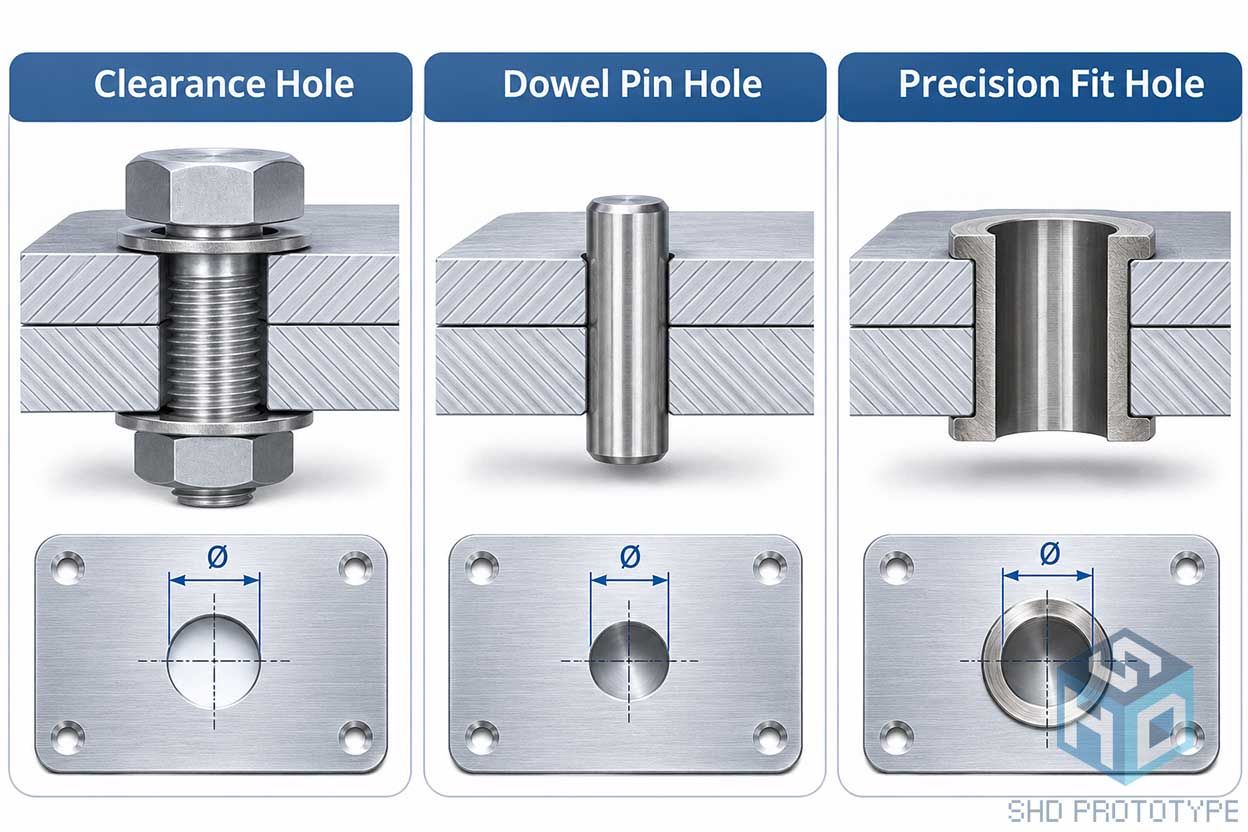
A standard mounting hole generally provides clearance for a fastener. If the bolt does not depend on the hole for precise location, conventional drilling may satisfy the drawing requirements.
Locating pin holes serve a different purpose. They help position two components consistently during assembly. In dowel pin hole machining, the required fit, hole diameter, and relationship between locating features become especially important.
Precision-fitting holes for sleeves, bushings, or other mating components may also benefit from reaming, depending on the required geometry and surface condition. However, reaming is not automatically necessary for every close-tolerance hole. Boring or another finishing method may be more suitable when hole location or alignment requires additional correction.
What Reaming Can and Cannot Improve
When comparing drilling vs reaming holes, the main distinction is the level of finishing control. Drilling establishes the initial hole, while reaming removes a controlled amount of material to improve diameter consistency and surface quality. However, a conventional reamer generally follows the prepared hole. It should not be relied upon to correct significant positional or alignment errors from drilling.
The final result also depends on workpiece material, tool condition, machine rigidity, cutting fluid, and the prepared hole's geometry. This means reamed hole tolerances should be evaluated together with the machining setup rather than treated as a guaranteed result of selecting a reamer.
What Should the Drawing Specify?
A useful drawing should distinguish diameter requirements from geometric location requirements. For a precision locating hole, buyers should identify the nominal diameter, tolerance or fit designation, relevant datums, positional tolerance, and required hole depth. Where internal surface quality affects assembly or component performance, the CNC hole surface finish requirement should also be defined.
Before sending an RFQ, engineers should check that the drawing communicates:
- The intended function of each critical hole
- Diameter, fit, and depth requirements
- Hole position and relevant datum references
- Required surface finish and final inspection condition
- Any first-piece measurement or reporting requirements
These details help suppliers identify whether drilling alone is sufficient or whether reaming, boring, or another finishing operation should be included in the quotation.
Inspection Should Reflect the Finished Component
For a locating pin hole, diameter alone may not confirm successful assembly. Position relative to other holes and reference surfaces can be equally important. Depending on the specification, inspection may involve calibrated bore gauges, pin gauges, or coordinate measurement equipment.
Buyers should also confirm whether measurements apply before or after any subsequent surface treatment, since coating or finishing operations may affect the final hole condition.
Frequently Asked Questions
- Q&A-01 | Does Every Dowel Pin Hole Require Reaming?
- Not necessarily. The required fit, locating accuracy, material, and production method determine whether reaming is appropriate. Other precision machining methods may also satisfy the drawing.
- Q&A-02 | Can Reaming Correct an Off-Center Drilled Hole?
- Conventional reaming generally cannot reliably correct a significant positional error. The prepared hole must have suitable alignment, or an alternative machining method should be considered.
- Q&A-03 | Should Reamed Holes Be Inspected Before Assembly?
- For critical locating or fitting features, first-piece inspection can help verify the agreed diameter, position, and surface requirements before repeat production or assembly.
Conclusion
Choosing reamed holes in CNC machining should be based on functional requirements, not simply the desire for tighter tolerances.
Clear distinctions between clearance holes, locating holes, and precision-fitting features help manufacturers select appropriate machining methods while allowing buyers to compare quotations more accurately.
CNC Hole Machining Projects with SHD PROTOTYPE
SHD PROTOTYPE supports custom CNC machining project discussions based on customer drawings, material specifications, dimensional requirements, and intended applications. For components containing critical holes, early discussion of fit requirements, machining sequence, and inspection expectations can help clarify manufacturing feasibility and quotation scope.
Customers can share their drawings with SHD to discuss suitable precision machining approaches before production.